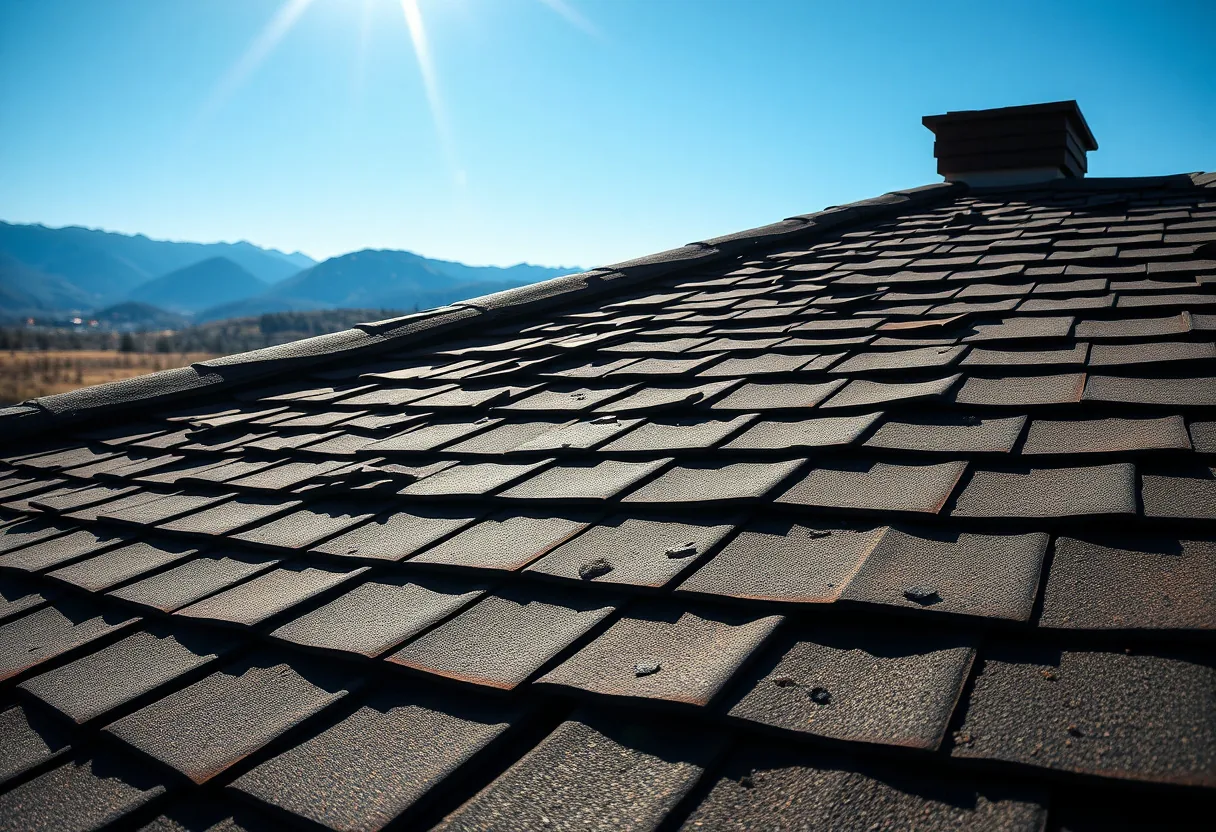
Why Colorado Roofs Do Not Last as Long as the Brochure Says
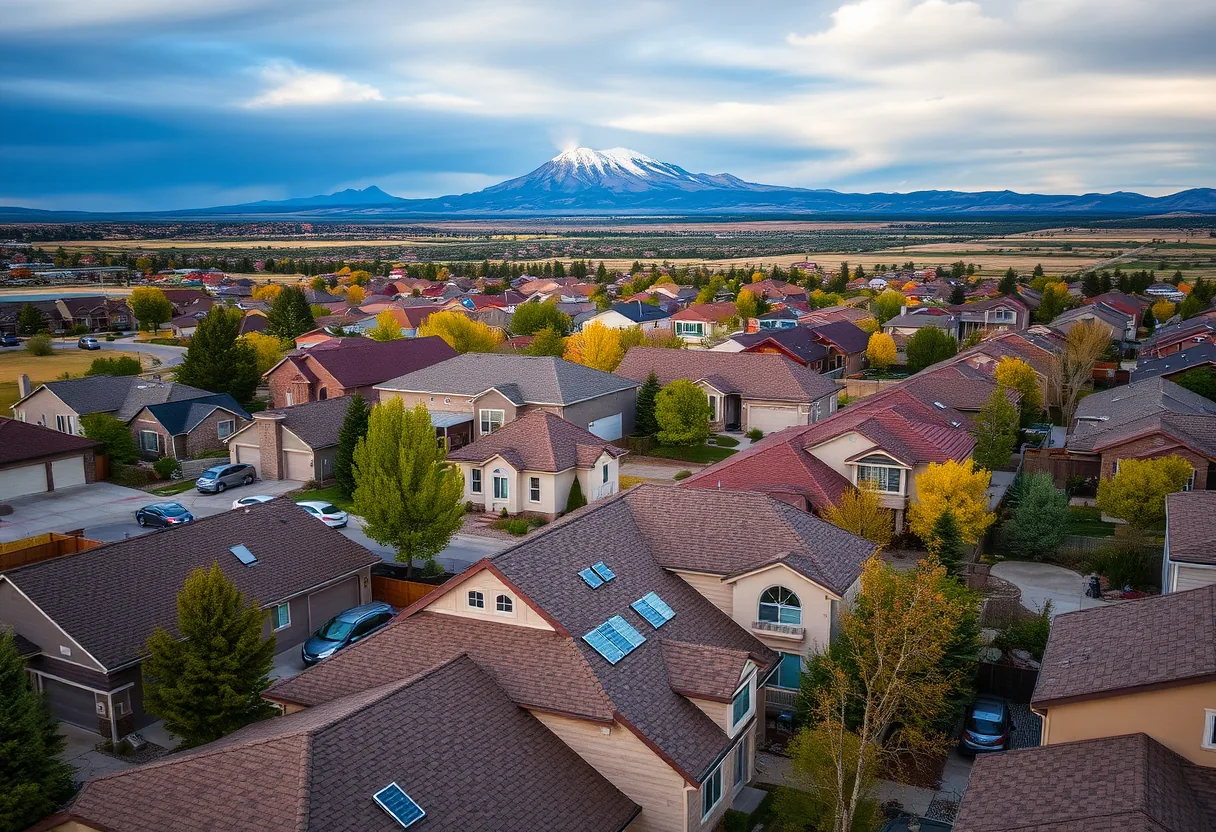
Ask a manufacturer how long a shingle lasts and you will hear numbers built for a mild, sea-level climate. Colorado Springs is neither. At 6,035 feet of elevation, our roofs live a harder life than almost anywhere in the country, and the honest lifespan is often years shorter than the label on the bundle.
That gap between the brochure number and the real number is not a defect — it is altitude, sun, and weather doing exactly what they do here. Understanding it helps you plan for a roof replacement on your terms instead of after a ceiling stain shows up during a spring storm.
- Intense high-altitude UV — thinner air at 6,000-plus feet lets far more ultraviolet radiation reach your shingles, drying out the asphalt and cooking off protective oils
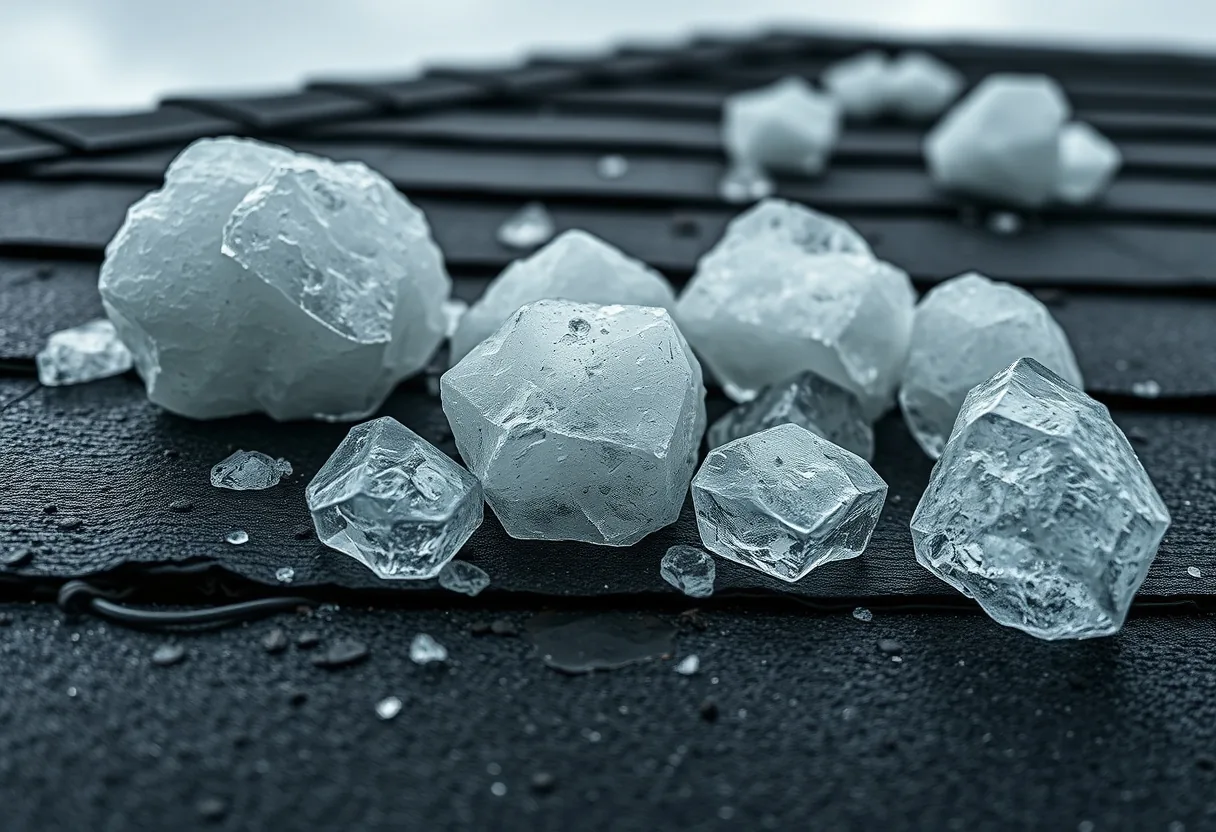
- Hail — a single serious storm can bruise or crack shingles across an entire roof and reset the clock on its remaining life
- Freeze-thaw cycling — Colorado can swing above and below freezing many times in one week, and every cycle works water into small cracks and pries them wider
- Wind — front-range gusts lift, flex, and loosen shingle tabs, breaking seals and starting leaks
- Snow load — heavy wet spring snow adds weight and keeps moisture sitting on the roof surface for days
Roof Lifespan by Material: National Average vs Colorado Reality
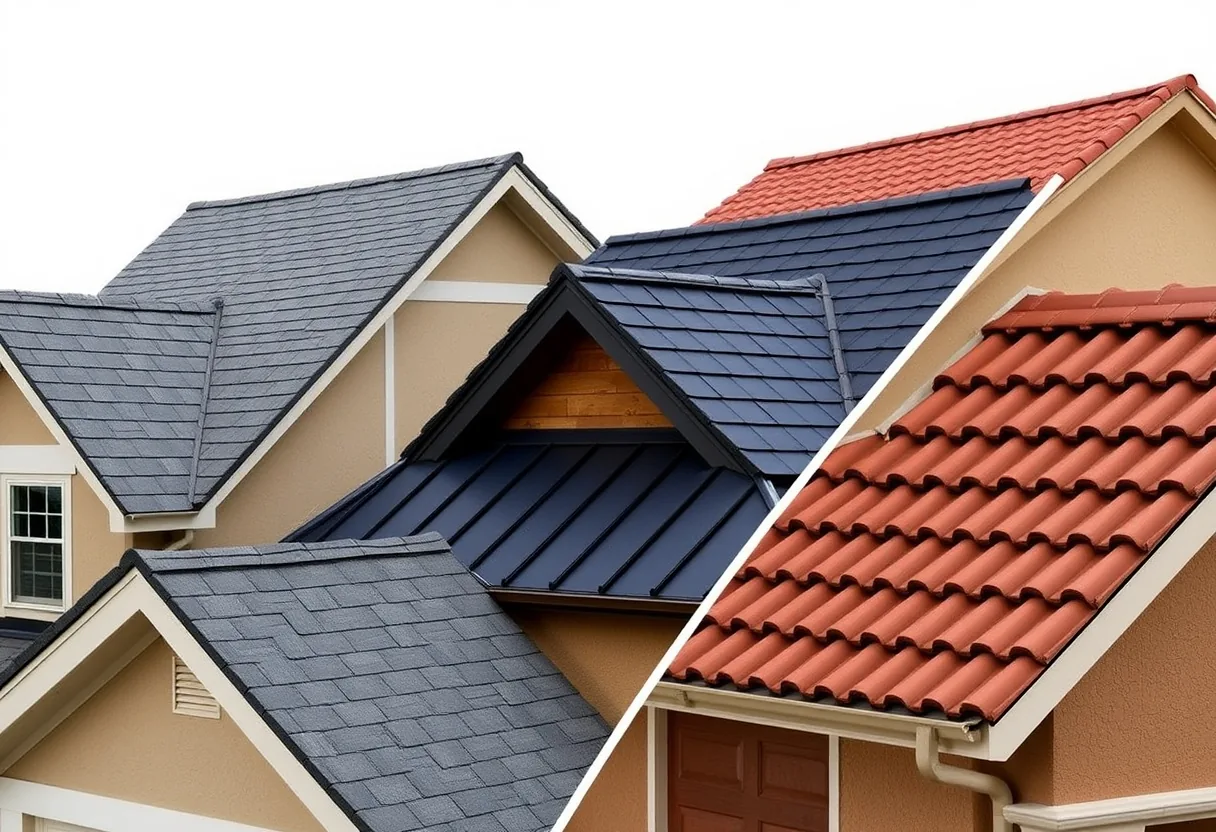
The table below pairs each common roofing material with its typical national-average lifespan and the more realistic lifespan we see here in Colorado Springs. These are estimates only — a well-ventilated roof that dodges major hail can beat them, and one that takes a direct hail hit can fall well short.
| Material | National Average | Realistic Colorado Springs |
|---|---|---|
| 3-tab asphalt shingle | 20-25 years | 12-16 years |
| Architectural (dimensional) shingle | 25-30 years | 16-22 years |
| Class 4 impact-resistant shingle | 30-40 years | 22-30 years |
| Metal (standing seam / steel) | 40-70 years | 35-50 years |
| Tile (concrete / clay) | 50-100 years | 40-60 years |
Notice the pattern: every material loses roughly a third of its rated life at our altitude and in our hail belt. That is why Class 4 impact-resistant shingles have become the smart default here — they resist hail bruising and hold up far better under relentless UV than a basic 3-tab.
Signs Your Roof Is Near the End of Its Life
A roof rarely fails all at once. It tells you it is wearing out months or years ahead of a leak. Walk your property after a storm and watch for these warning signs:
- Granule loss — bald, shiny spots on shingles and a buildup of sandy grit in your gutters mean the protective surface is washing away
- Curling and cupping — edges that lift or corners that cup upward are a classic sign of UV-baked, brittle shingles
- Bald spots — patches where the black asphalt mat shows through have lost their sun protection entirely
- Active leaks or ceiling stains — brown rings on a ceiling or damp attic decking mean water is already getting in
- Daylight in the attic — light coming through the roof deck means gaps that also let water and cold in
- Sagging — a dipping or wavy roofline can signal moisture-damaged decking or a structural problem underneath
- Many hail hits — dozens of dents, dark bruises, or cracked shingles after a storm often mean the whole roof took damage
One clear sign beats a dozen guesses
If you can see granules piling up in the gutters and curling shingles from the ground, your roof is already past the halfway point of its Colorado life. That is the moment to schedule a professional look — not the moment a storm finally forces the decision for you.
How to Extend the Life of Your Roof
You cannot change the altitude, but you can slow the wear. The homeowners who get the most years out of a roof all do the same handful of unglamorous things — and they do them every year, not once a decade.
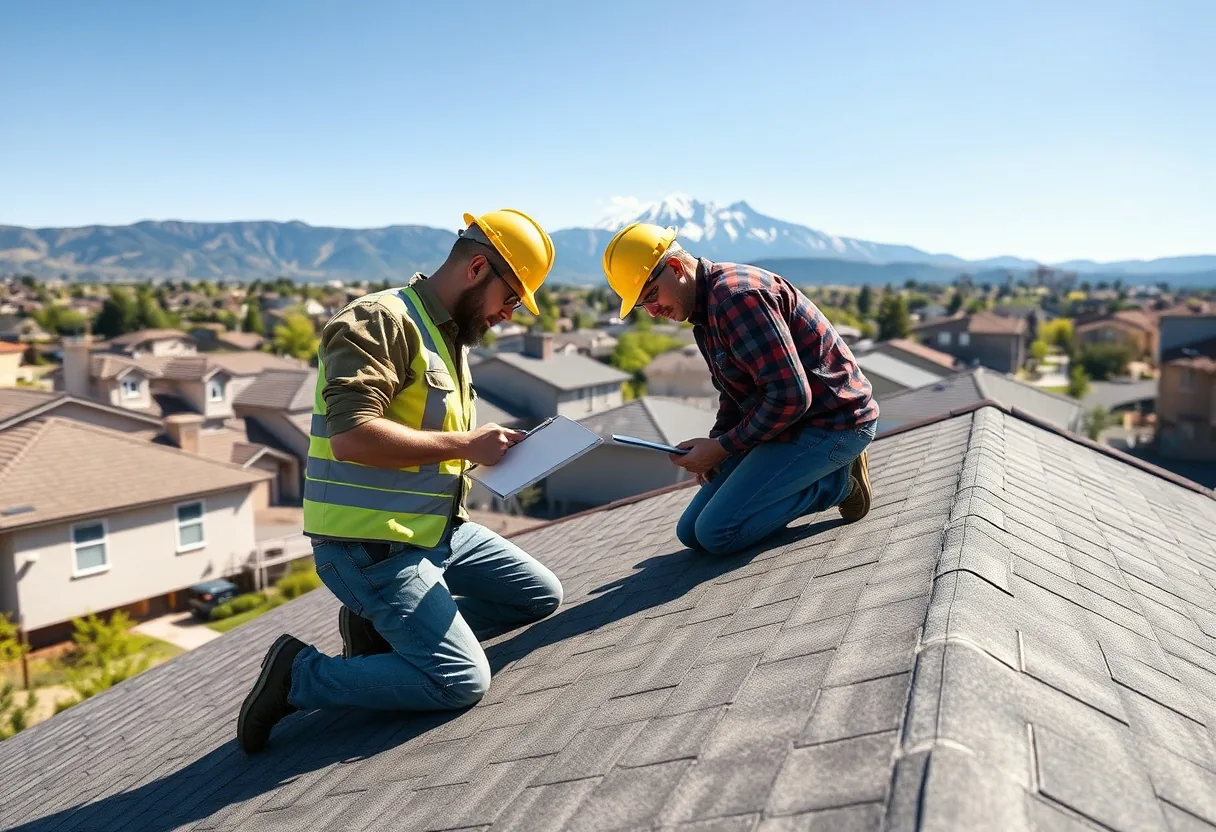
- Book annual [roof inspections](/services/roof-inspections/) — a trained eye catches lifted seals, popped nails, and early hail bruising while they are still cheap to fix
- Handle [roof repair](/services/roof-repair/) promptly — a single loose flashing or cracked shingle left alone all winter becomes a rotted deck by spring
- Get the attic ventilation right — balanced intake and exhaust vents keep summer heat and winter moisture from cooking and rotting the roof from below
- Keep [gutters](/services/gutters/) clear — clogged gutters back water up under the shingle edge and speed rot along the eaves
- Address hail damage quickly — bruised shingles do not heal; they leak later, so a fast look after a storm protects the years you have left
None of this is expensive next to a full residential roof replacement. An inspection and a small repair each year is the cheapest roofing insurance you can buy — and it routinely adds three to five good years to a Colorado roof.
Repair or Replace? Making the Call in a Hail Climate
The repair-versus-replace decision comes down to three questions: how old is the roof, how widespread is the damage, and how much life is realistically left. In a mild climate a 15-year-old shingle roof might have years to go. In Colorado Springs, a 15-year-old 3-tab that just took hail is usually a replacement.
- Repair makes sense when the roof is under about two-thirds of its expected life, the damage is isolated to one slope or a few shingles, and the deck underneath is sound
- Replacement makes sense when damage is widespread, the shingles are curling and shedding granules across the whole roof, or repairs are becoming an every-storm habit
- Lean toward replacement early after major hail — patching a roof that lost its granule layer everywhere just delays the inevitable and stacks up repair bills
The reason our roofs hit this decision sooner than the brochure predicts comes back to UV and hail. Sun steadily bakes the flexibility out of the asphalt while hail delivers sudden, invisible bruising — together they age a Colorado roof faster than the same roof would age in Kansas City or Dallas.
When Hail Damage Becomes an Insurance Claim
Colorado Springs sits in one of the most active hail regions in the country, and a serious storm can retire a roof overnight. The good news: hail damage is often handled through a homeowner's insurance claim, and a replacement you were dreading can become a far smaller out-of-pocket number.
As your roofer, we help you through that process — documenting the storm & hail damage repair with photos, meeting the adjuster on-site, and making sure the damage is measured accurately. We do not decide your claim, but we make sure the roof is represented honestly and completely.
Do not wait out the deadline
Most policies limit how long you have to file after a hail event. If a storm rolled through and you are not sure whether your roof took a hit, get it looked at soon — a free inspection now is far better than discovering unclaimable damage next year.
Get an Honest Read on Your Roof's Remaining Life
The only way to know how many years your specific roof has left is to have someone climb up and look. Age, material, ventilation, and storm history all factor in, and no online chart can weigh them for your house the way a hands-on inspection can.
Pikes Peak Roofing has spent years reading Colorado Springs roofs, and we will tell you straight whether yours needs a small roof repair, a full residential roof replacement, or simply another year of watching. Schedule a free inspection or call 844-967-5247 — all estimates, no pressure, just an honest read on where your roof stands.
Frequently Asked Questions
It depends on the material, but plan on shorter than the brochure promises. A standard architectural asphalt roof that is rated for 25 to 30 years nationally typically lasts about 16 to 22 years here. Intense high-altitude UV, hail, and freeze-thaw cycling all shorten roof life, so our realistic numbers run roughly a third below national averages.
At 6,000-plus feet the thinner air filters out far less ultraviolet radiation, so shingles absorb much more UV than they would at sea level. That radiation dries out the asphalt, cooks off protective oils, and makes shingles brittle years sooner. Add frequent freeze-thaw swings and Colorado's hail, and the surface simply ages faster than in milder, lower climates.
Watch for granules collecting in your gutters, shingles that curl or cup at the edges, and bald spots where the black mat shows through. Ceiling stains, daylight visible in the attic, and any sagging in the roofline are more urgent signs. Spotting several of these means your roof is past its midpoint and worth a professional inspection soon.
It depends on how widespread the damage is and how much life the roof had left. Isolated damage on a newer roof is usually a repair. But if hail bruised shingles across the whole roof, or the roof is already past two-thirds of its Colorado lifespan, replacement is typically the better value. A professional inspection settles it. All estimates are free.
Often, yes. Hail damage is frequently handled through a homeowner's insurance claim, and we help by documenting the damage, meeting your adjuster on-site, and making sure everything is measured accurately. We do not decide the claim, but we make sure your roof is represented honestly. Most policies have filing deadlines, so have storm damage inspected promptly.
Book an annual inspection, fix small problems promptly, keep your gutters clear, and make sure the attic is properly ventilated so heat and moisture do not cook the roof from below. Address any hail damage quickly, since bruised shingles leak later. These simple steps routinely add three to five good years to a Colorado Springs roof.