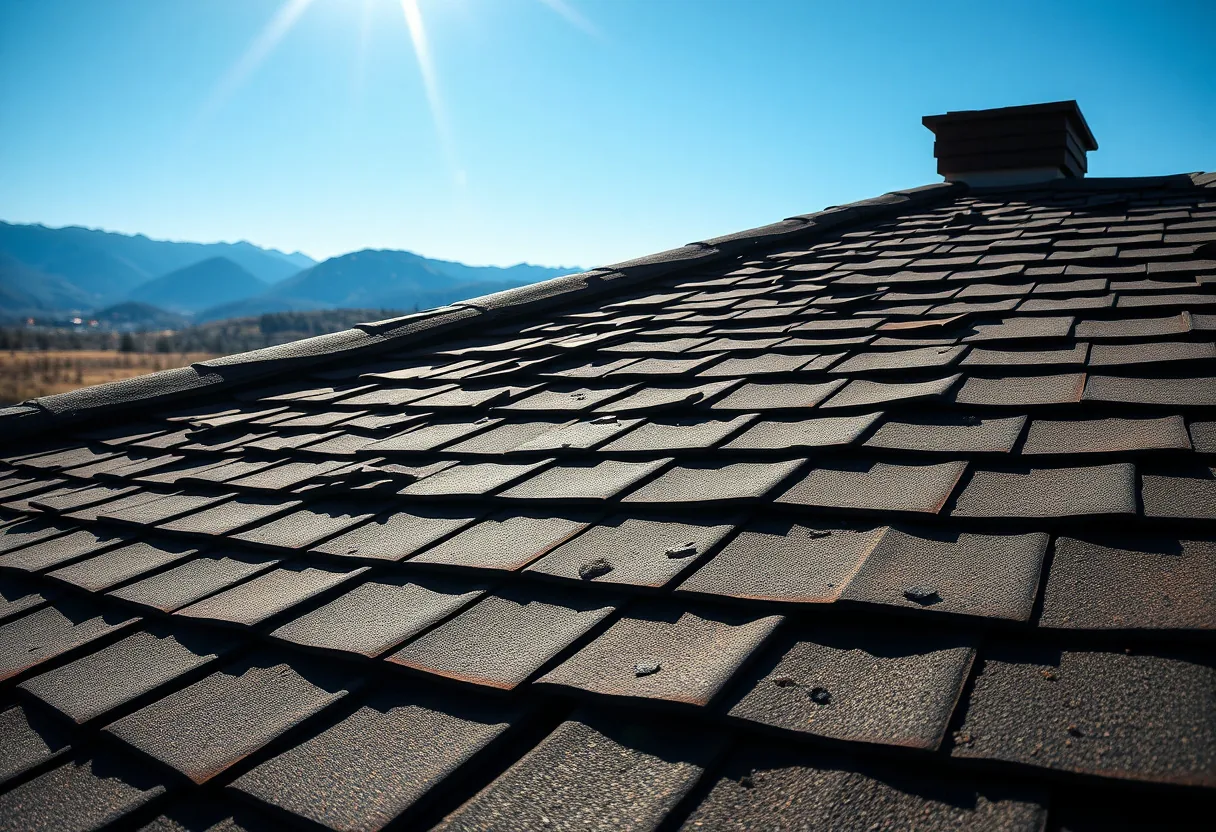
Why Colorado Springs Sees So Many Hail Claims
Colorado Springs sits squarely inside what meteorologists call Hail Alley — the stretch of eastern Colorado, Nebraska, and Wyoming that takes more damaging hail than almost anywhere in the country. Our high elevation means storm cells freeze and drop stones before that ice ever has a chance to melt on the way down. That is why a July afternoon can go from sunshine to golf-ball hail in twenty minutes.
The season runs roughly April through September, peaking in the summer months. A single storm can bruise or fracture every shingle on a roof without leaving an obvious hole, so the damage is easy to miss from the ground. If a storm rolled through your neighborhood, the smart first move is a professional look — not a guess.
You do not have to fight your insurer alone
As your local roofer, our job is to document the damage accurately, meet your adjuster on the roof, and make sure the approved scope of work reflects what the storm actually did. We guide the process; your insurer makes the final call on the claim.
The 7-Step Hail Claim Process, Start to Finish
A hail claim feels overwhelming the first time, but it follows a predictable path. Here is the sequence we walk homeowners through on every storm job:
- Get a free roof inspection and damage documentation — we photograph the hail bruising, test-square the slopes, and note dented gutters, vents, and flashing so there is a clear record before you file.
- File the claim with your insurer — you call your insurer (or use their app), give them the storm date, and they open a claim and assign an adjuster.
- The roofer meets the adjuster on site — we climb the roof together, walk the same test squares, and make sure nothing gets overlooked during the inspection.
- Review the scope of work — your insurer issues a written scope and estimate. We read it line by line with you so you understand what was approved.
- Supplement for missed damage — if the scope leaves out drip edge, decking, or code-required items, we submit a supplement with photos so it can be reconsidered.
- Schedule and complete the roof — once the scope is settled, we order materials and install your new roof, usually in a day or two for most homes.
- Final paperwork — we provide the completion documents and final invoice your insurer needs to release any remaining funds.
| Step | Who leads it | Typical timing |
|---|---|---|
| 1. Free inspection | Your roofer | 1-3 days after you call |
| 2. File the claim | You + your insurer | Same week as the storm |
| 3. Adjuster meeting | Roofer + adjuster | 1-3 weeks after filing |
| 4. Review scope of work | You + your roofer | A few days after the meeting |
| 5. Supplement (if needed) | Your roofer | 1-2 weeks |
| 6. Roof installation | Your roofer | 1-2 days on most homes |
| 7. Final paperwork | Your roofer | At project close |
What the Homeowner Actually Pays: The Deductible
On an approved hail claim, the homeowner's cost is almost always just the deductible — the set dollar amount your insurer subtracts before it pays the rest of the approved scope of work. If your deductible is $2,500 and the approved roof replacement is $18,000, your insurer funds the balance and you cover the $2,500.
Your deductible amount is written on your claim documents; check there or ask your insurer if you are unsure. It is the one number you should know before work begins, because a legitimate roofer will always collect it. Anyone who offers to make it disappear is describing fraud — more on that below.
Timelines and Deadlines You Cannot Miss
Hail claims are time-sensitive. Most insurers require you to file within a set window after the storm date — often measured in months, sometimes as little as a year — and waiting too long can put your claim at risk. Fresh damage is also easier to tie to a specific storm, which keeps the process clean.
- Confirm your filing deadline with your insurer — the exact window is spelled out in your claim terms, so ask them directly.
- Document early — a dated inspection right after a storm strengthens the record even if you file a bit later.
- Do not sit on obvious damage — leaks and exposed decking only get worse and more expensive through a Colorado winter.
Disclaimer
Filing windows, deductibles, and what gets approved are decided by your insurer, not by us. Always confirm the specifics of your own claim directly with your insurance company. This guide explains the process; it is not a substitute for their instructions.
Red Flags: Storm Chasers and Deductible Scams
After every big storm, out-of-town crews flood Colorado Springs neighborhoods knocking on doors. Some are legitimate; many are not. Knowing the warning signs protects your home and your claim.
- Aggressive door-knockers who pressure you to sign on the spot — a real inspection does not need a same-day signature.
- "We'll waive your deductible" — this is insurance fraud, it is illegal in Colorado, and it can jeopardize your entire claim. Walk away.
- Asking you to sign over the claim — an assignment of benefits hands a stranger control of your claim and your payout. Do not sign it.
- No local address, license, or references — chasers vanish after the check clears, leaving you with nobody to call for warranty work.
The safest choice is a licensed, established local roofer who will still be here next spring to honor the workmanship warranty. See our storm & hail damage repair page for how we handle storm work start to finish.
Why an Experienced Local Roofer Makes It Go Smoothly
The single biggest reason hail claims stall is a scope of work that misses real damage. An experienced local roofer speaks the adjuster's language, knows Colorado building codes, and documents damage in the format insurers expect — which means fewer surprises and fewer delays for you.
We start with detailed roof inspections, stand on the roof with your adjuster so nothing gets missed, and offer financing & claims assistance to help you handle the deductible and any timing gaps. From the first photo to the final invoice, you have one local team guiding the whole thing.
Storm rolled through your area? Start with a [free inspection](/quote/) — no pressure, no obligation, just a clear picture of whether you have a claim worth filing.
Frequently Asked Questions
It is the smart first step. A free inspection tells you whether the storm actually caused damage worth filing on, and it produces dated photos and test-square notes that document the damage. Walking into a claim with a clear record from your roofer helps the whole process go faster and smoother.
On an approved claim, your cost is usually just your deductible — the set amount your insurer subtracts before funding the rest of the approved scope of work. That figure is on your claim documents. A legitimate roofer always collects the deductible; anyone offering to waive it is describing fraud.
Most insurers require you to file within a set window after the storm date, and it varies by company. Do not wait to find out — confirm your exact deadline directly with your insurer, and get a dated inspection early so the damage is documented while it is fresh and clearly tied to the storm.
No. Waiving or covering a homeowner's deductible on an insurance claim is fraud and is illegal in Colorado, and it can put your entire claim at risk. It is a classic sign of a storm-chasing crew. Choose a licensed local roofer who collects the deductible and will honor the warranty.
That is common, and it is fixable. When we spot missed items like drip edge, damaged decking, or code-required components, we submit a supplement with supporting photos so your insurer can reconsider. The final decision is always your insurer's, but a well-documented supplement helps make sure the scope reflects the real damage.
Yes. Hail can bruise and fracture shingles without leaving anything visible from the ground, so many damaged roofs look fine to homeowners. A free professional inspection settles it either way. Call us at 844-967-5247 or request a free inspection, and we will give you an honest assessment.