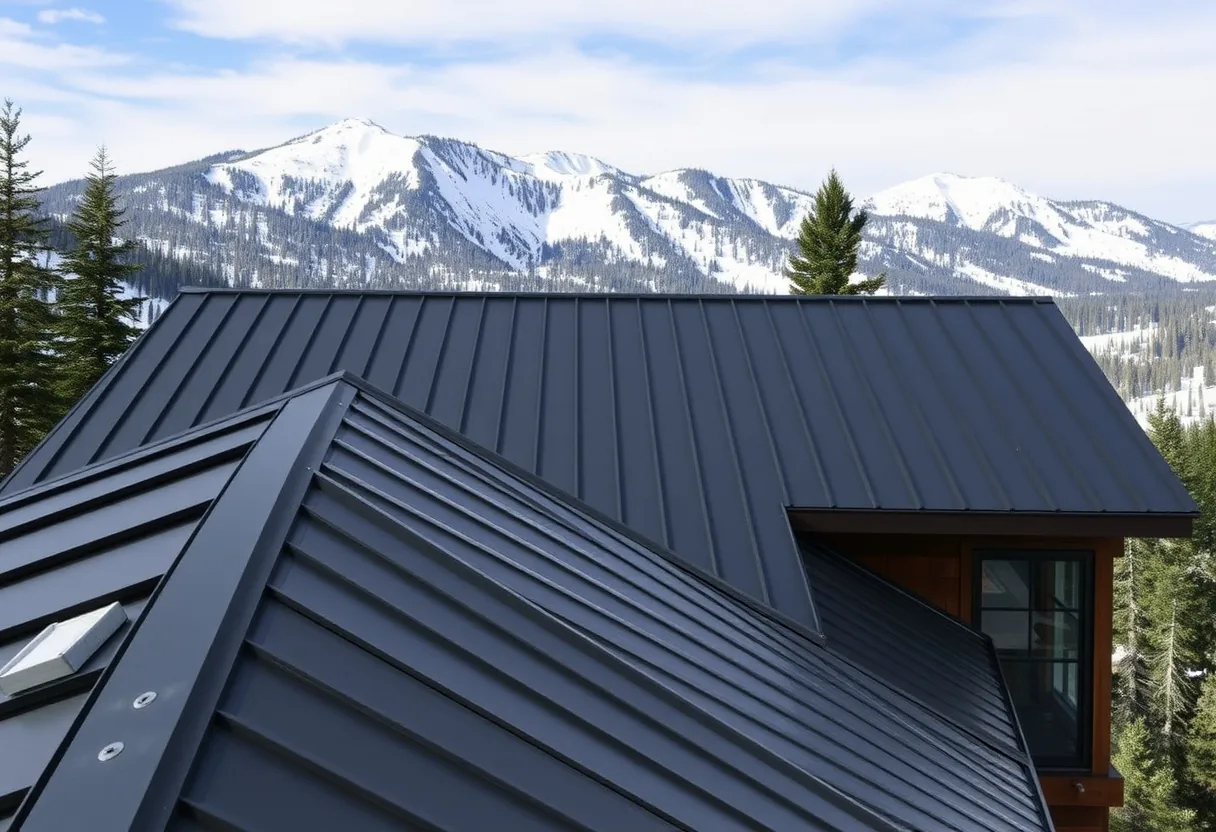
Metal Roofing Systems We Install
Metal roofing is not one product — it is a family of systems, and the right one depends on your home's pitch, your budget, and the look you want against the Front Range. At Pikes Peak Roofing we install the full range in steel and aluminum, from architectural standing seam on modern mountain builds to stone-coated steel that reads like traditional shingle from the street.
- Standing seam — concealed-fastener vertical panels with raised, interlocking seams. The top-tier choice: no exposed screws to back out, clean lines, and the best snow-shedding surface for high-country homes.
- Metal shingles — stamped steel or aluminum panels that mimic slate, shake, or tile while weighing a fraction of the real thing. A strong fit for HOA neighborhoods that want a conventional profile.
- Stone-coated steel — steel panels finished with bonded stone granules for a textured, low-glare look that blends into Black Forest and Woodland Park settings while keeping metal's durability.
- Corrugated / exposed-fastener — ribbed panels screwed directly to the deck or purlins. The most economical metal option, ideal for barns, shops, cabins, and agricultural outbuildings across El Paso and Teller County.
Material matters as much as profile. Steel is the workhorse — strong, affordable, and coated (Galvalume or galvanized) to resist rust. Aluminum costs more but never rusts, making it a smart pick closer to reflective, high-moisture mountain microclimates. We walk every homeowner through the trade-offs during a [free inspection](/quote/) rather than pushing a single product.
| System | Look | Lifespan | Cost tier | Best use |
|---|---|---|---|---|
| Standing seam | Sleek, modern vertical lines | 50-70 years | Top-tier | Steep mountain homes, snow country, custom builds |
| Metal shingles | Slate, shake, or tile profile | 40-60 years | Mid to high | HOA neighborhoods wanting a traditional look |
| Stone-coated steel | Textured, low-glare granule finish | 40-60 years | Mid to high | Black Forest, Woodland Park, tree-line settings |
| Corrugated / exposed-fastener | Ribbed, utilitarian | 25-40 years | Economical | Barns, shops, cabins, outbuildings |
Why Metal Excels in Colorado's Climate
The Pikes Peak region punishes roofs from every direction — spring hail, heavy wet snow, wildfire risk in the foothills, chinook winds, and altitude UV that ages ordinary asphalt fast. Metal was built for exactly this environment, and it is the reason so many mountain and front range homeowners never look back after switching.
- Sheds heavy snow — smooth, hard metal surfaces let snow load slide off instead of building into ice dams that rot decking and back water under shingles.
- Class 4 impact resistance — the top hail rating available. In a region that sits in the heart of Hail Alley, metal takes strikes that would bruise or shatter an asphalt roof.
- Class A fire rating — the highest fire classification, which matters enormously in the foothills, Woodland Park, and the wildland-urban interface where an ember shower is a real threat.
- High wind resistance — properly seamed and fastened metal systems are rated well past the gusts that peel shingles off Front Range ridgelines.
- Energy-reflective — reflective coatings bounce back the intense high-altitude sun, easing summer cooling loads and slowing the UV breakdown that ages other materials.
That combination is why a metal roof routinely outlasts two or three asphalt roofs on the same house. When a bad hailstorm does roll through, metal's durability also changes how you deal with damage — see our [roof inspections](/services/roof-inspections/) service for documented, claim-ready reports.
Mountain Aesthetics and HOA Considerations
Old assumptions about metal roofs looking like a farm shop are long gone. Today's panels and finishes are designed to complement mountain architecture — from the weathered, low-glare tones that disappear into the pines around Woodland Park and Black Forest to crisp standing seam that suits the contemporary builds going up above Manitou Springs.
Color and profile do real work up here. Matte and stone-coated finishes cut the glare that some HOAs and neighbors object to, while earth tones keep a home grounded in its natural setting. If you want the durability of metal without departing from a traditional streetscape, metal shingles and stone-coated steel deliver a shake- or slate-like look that most covenants welcome.
Check your HOA before you commit
Many Pikes Peak neighborhoods have architectural covenants that govern roof color, profile, and reflectivity. We help homeowners pull the right product samples and spec sheets to submit for HOA approval before work begins — so your new roof clears the committee the first time instead of forcing a costly change order.
Cost Versus Asphalt: Upfront and Lifetime
There is no getting around it — a metal roof costs more to install than asphalt shingles, often two to three times as much upfront depending on the system. But that number tells only half the story, and the wrong half for a home you plan to keep.
A quality asphalt roof in our climate might last 15 to 25 years before hail, UV, and snow load force a replacement. A metal roof lasts 40 to 70. Over the life of the home you may replace asphalt two or three times while the metal roof is still doing its job — which is how a higher sticker price becomes the lower lifetime cost. Every figure here is a general estimate; your real number depends on pitch, size, system, and access.
The gap is also easier to bridge than most people expect. We offer [financing & claims assistance](/services/roof-financing/) to spread the investment into manageable payments, and if a covered storm damaged your existing roof, we help document the loss so an insurance claim can offset the upgrade. That support turns a metal roof from a someday project into a this-year decision.
Installation Details That Make or Break a Metal Roof
Metal is only as good as the crew that installs it. The panels are engineered to last generations, but that lifespan evaporates if the underlayment, ventilation, snow management, or fastening are done wrong. This is precision work, and it is not where you want the cheapest bid in town.
- Snow retention — on steep high-country roofs, sudden snow slides off metal in dangerous sheets. Properly placed snow guards hold the load and release it safely, protecting people, gutters, decks, and landscaping below.
- Underlayment — a high-temperature synthetic or self-adhered membrane under the panels is the second line of defense against wind-driven snowmelt and ice damming.
- Ventilation — balanced intake and exhaust keeps the attic cold and dry, preventing condensation under the panels and the ice dams that ruin roofs in freeze-thaw country.
- Fastening and seaming — concealed clips on standing seam let panels expand and contract with our wild temperature swings; over-driven or misplaced fasteners are the number-one source of metal roof leaks.
Get these details right and a metal roof is nearly maintenance-free for decades. Get them wrong and you inherit leaks, oil-canning, and premature failure. That is why installation expertise — not just the product — is what you are really buying, and it is the standard we hold on every metal project, residential or [commercial roofing](/services/commercial-roofing/).
Metal Versus Asphalt: Making the Call
Metal is not automatically the right answer for every home. If you plan to sell within a few years, sit in a strict traditional covenant, or need the lowest possible upfront cost, a quality shingle roof through our [residential roof replacement](/services/residential-roof-replacement/) service may serve you better — and modern impact-rated asphalt shingles perform well against our hail.
Choose metal when you intend to stay in the home long term, want the strongest defense against hail, snow, and wildfire, or own a mountain property where fire rating and snow-shedding are not luxuries but necessities. The longer your horizon and the harsher your exposure, the more decisively the math and the peace of mind tip toward metal.
Not sure which way to go? That is exactly what our inspection is for. We assess your pitch, orientation, exposure, and budget, then give you an honest recommendation — sometimes it is metal, sometimes it is not. Call 844-967-5247 or [start a free inspection](/quote/) and we will lay out both paths with real numbers for your home.