Why Colorado Is Brutal on Roofs
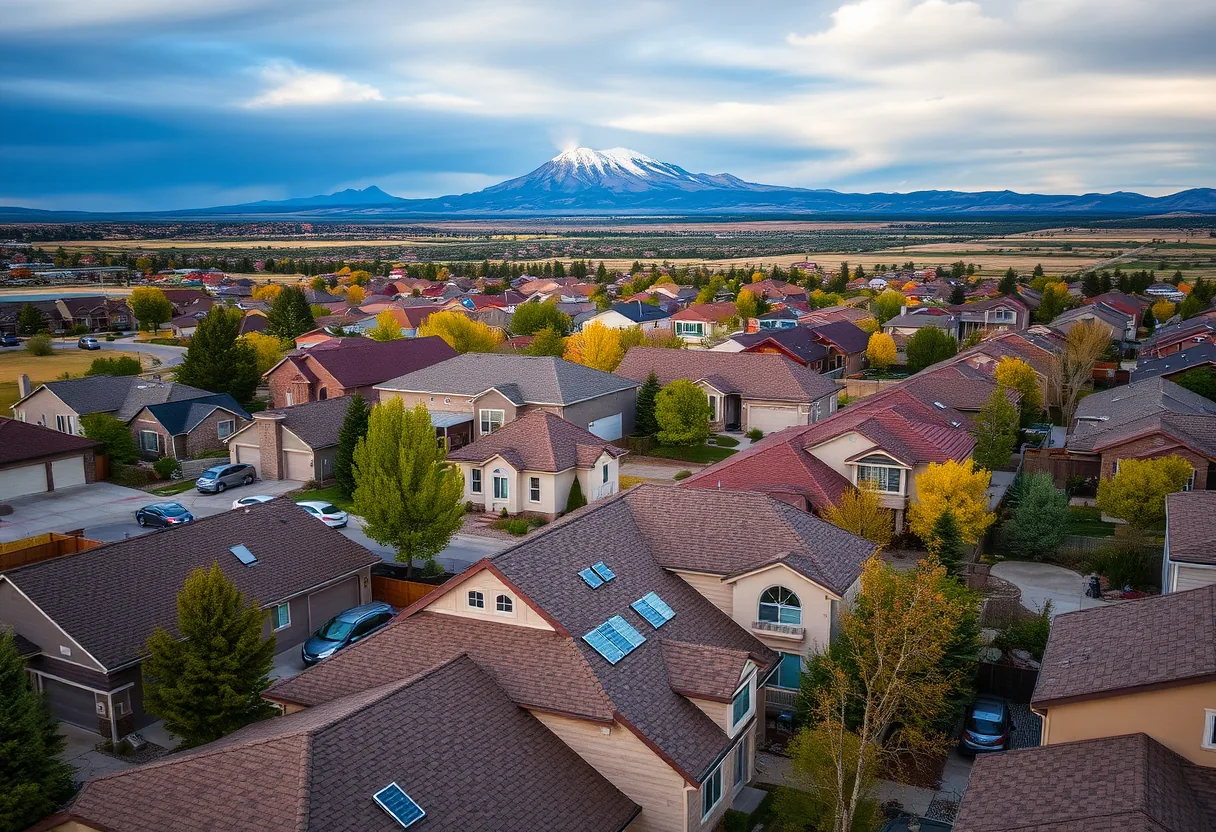
Choosing a roofing material anywhere else is mostly about looks and budget. On the Front Range it is about survival. Colorado Springs sits inside Hail Alley — the stretch of Colorado, Nebraska, and Wyoming that sees more damaging hail than anywhere in North America — and the roof over your head takes the first hit every storm season.
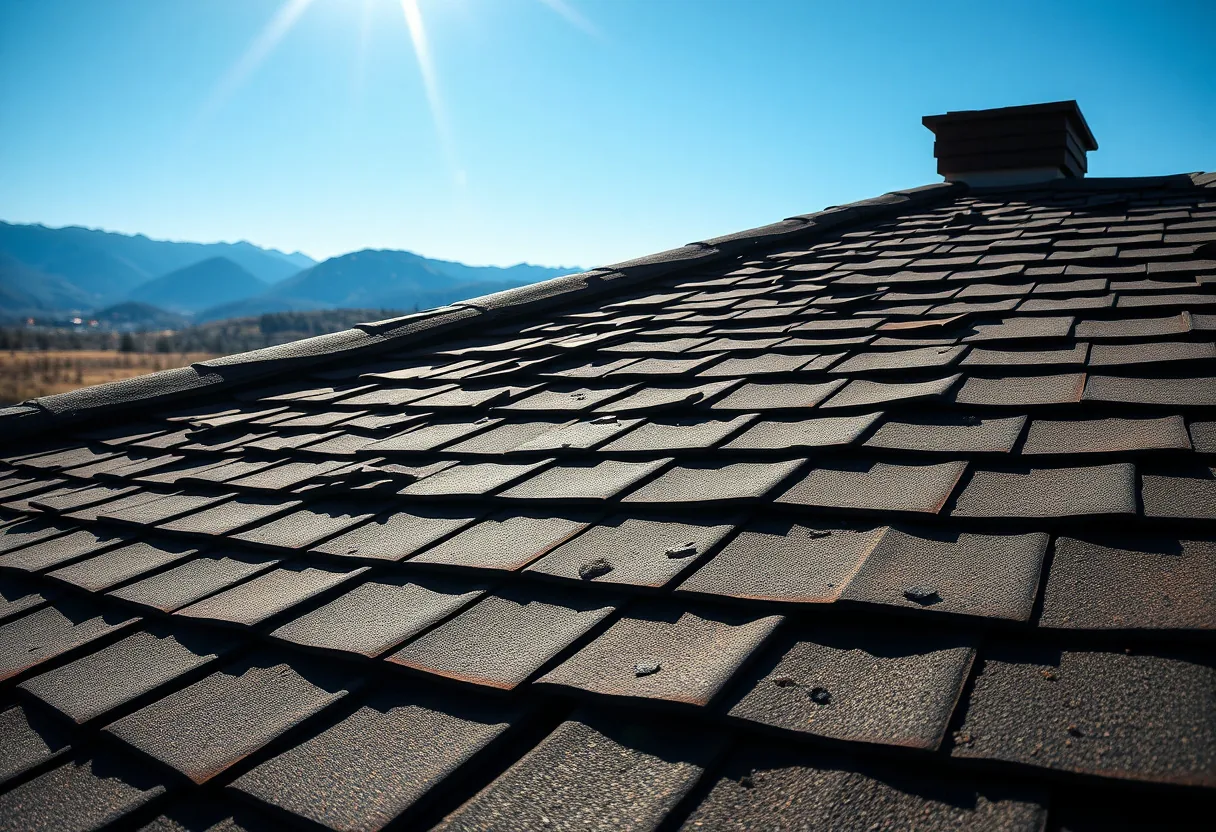
Hail is only the headline. At 6,000-plus feet of elevation, your shingles absorb far more ultraviolet radiation than the same product would at sea level, baking out the oils that keep them flexible. Add wide day-to-night temperature swings that drive constant freeze-thaw cycling, heavy mountain snow load, chinook wind gusts that peel poorly nailed shingles, and real wildfire risk in the foothills, and you have five separate forces attacking the same surface.
- Hail — the single biggest cause of premature roof replacement in El Paso County
- High-altitude UV — accelerates aging and cracking, especially on cheaper shingles
- Freeze-thaw — expansion and contraction loosens fasteners and opens seams
- Snow load & ice dams — weight and meltwater backup stress the deck and flashing
- Wind & wildfire — foothill homes need both uplift resistance and fire-rated surfaces
The right material is the one that answers the threats your specific home faces. Below we break down the three main choices honestly — including where each one falls short.
Asphalt Shingles: The Front Range Default
Asphalt is the most common roof in Colorado Springs for good reason — it is affordable, fast to install, and comes in every color. But not all asphalt is equal, and the cheapest grade is a poor bet in Hail Alley.
- 3-tab shingles — the thin, flat, budget option. Roughly 15-18 years here, and the first to shred in a hail event. We rarely recommend them for a permanent Colorado home.
- Architectural (dimensional) shingles — thicker, layered, and better looking, lasting 20-30 years. The sensible baseline for most homes.
- Impact-resistant Class 4 shingles — engineered to survive a 2-inch steel ball dropped from a lab rig without cracking. The smart choice on the Front Range.
Class 4 impact-resistant shingles have become the go-to in Colorado Springs because they do two things at once: they hold up dramatically better to hail, and many home insurers offer a rate discount for installing them. That discount can offset a meaningful share of the upgrade cost over the life of the roof. When we handle a residential roof replacement, Class 4 is almost always the conversation.
Class 4 is the Colorado sweet spot
If you want asphalt's affordability without gambling every hail season, impact-resistant Class 4 shingles are the best value on the Front Range. You get proven hail performance, a longer service life, and potential home-insurance savings — often enough to narrow the price gap with metal.
Metal Roofing: Built for the Mountains
Metal has moved from barns and cabins to some of the best-protected homes in the region — and Colorado's climate is exactly why. A quality metal roof routinely lasts 40 to 70 years, two to three times an asphalt roof, and shrugs off most of what the Front Range throws at it.
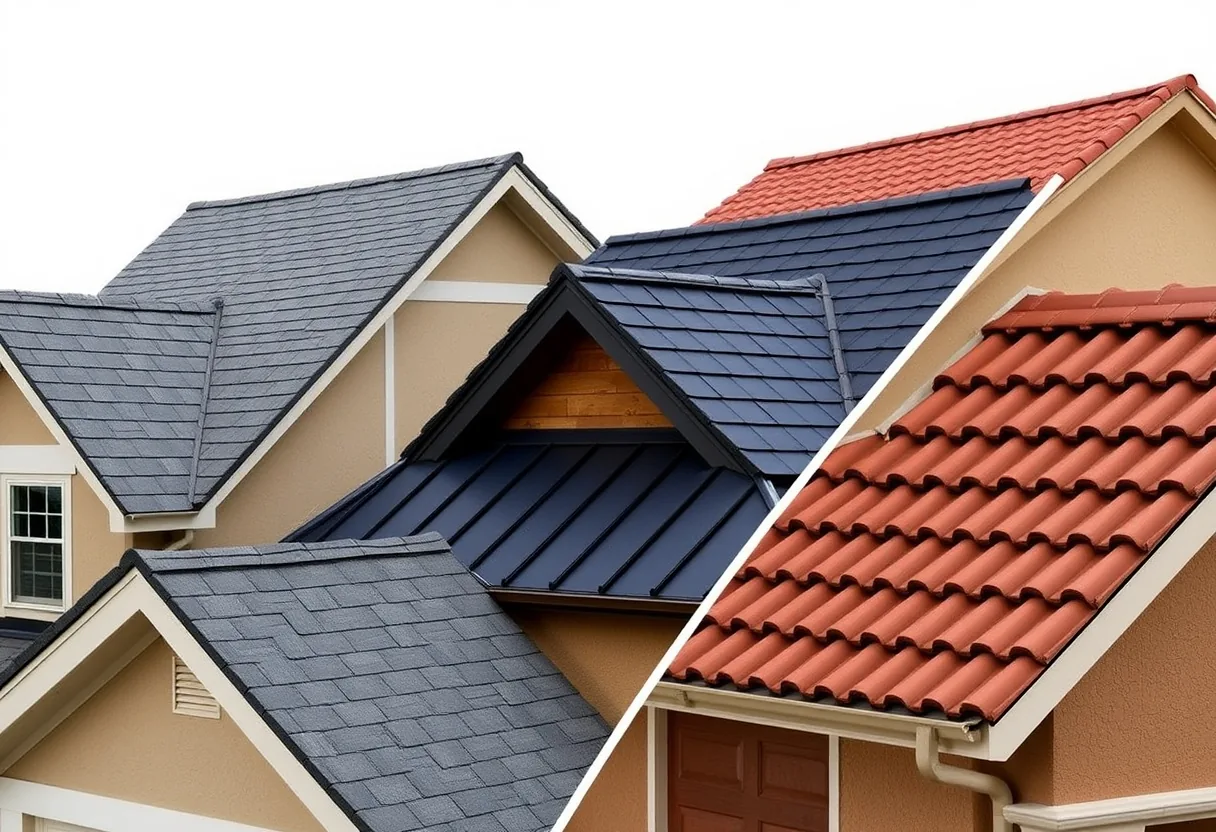
- Standing seam — sleek vertical panels with hidden fasteners and no exposed nail holes to leak. The high-end mountain-modern look.
- Stone-coated steel — steel panels finished with a stone granule surface that mimics shingle or tile texture while keeping metal's toughness.
The performance case is strong. Metal sheds snow instead of holding it, reducing snow load and ice-dam risk. Most systems carry a Class 4 impact rating against hail and a Class A fire rating — the top mark — which matters enormously for foothill homes in Woodland Park, Cascade, or the wildland edges of the city. It also handles high wind and high-altitude UV far better than asphalt.
The trade-off is upfront cost: metal typically runs two to three times the price of architectural asphalt. Over a 50-year horizon the math often favors metal because you skip one or two full replacements, but the day-one number is higher. See our metal roofing service page for the panel styles and finishes we install.
Tile and Synthetic Composite: Beauty With Caveats
Concrete and clay tile deliver a distinctive look and can last 50 years or more, with excellent fire resistance and UV stability. But tile carries a serious Colorado caveat: weight. A tile roof is heavy enough that many homes need a structural evaluation — and sometimes reinforcement — before it can be installed. That adds cost and complexity.
Tile's hail behavior is also mixed. It resists small hail well, but larger Front Range stones can crack or shatter individual tiles, leaving you sourcing matching replacements. It is a stunning roof in the right setting, just not a universal answer here.
Synthetic and composite shingles are the modern middle ground. Made from engineered polymers, they mimic slate or wood shake at a fraction of the weight, carry strong Class 4 impact and Class A fire ratings, and resist UV without the structural demands of real tile. They cost more than asphalt but less drama than tile — a growing favorite for homeowners who want a high-end look with real durability.
Side-by-Side: How the Materials Compare
Every roof is a set of trade-offs between longevity, protection, looks, and price. This table sums up how the main options stack up for a Colorado Springs home. Costs are estimates and vary with pitch, size, and access.
| Material | Lifespan | Hail rating | Fire rating | Relative cost | Best for |
|---|---|---|---|---|---|
| 3-tab asphalt | 15-18 yrs | Low | Class A | $ | Tight budgets, rentals, short-term ownership |
| Architectural asphalt | 20-30 yrs | Moderate | Class A | $$ | The all-around baseline for most homes |
| Class 4 impact asphalt | 25-30 yrs | High (Class 4) | Class A | $$ | Hail value pick with possible insurance savings |
| Standing seam metal | 40-70 yrs | High (Class 4) | Class A | $$$$ | Longevity, snow shedding, mountain-modern looks |
| Stone-coated steel | 40-70 yrs | High (Class 4) | Class A | $$$ | Metal toughness with shingle or tile texture |
| Concrete / clay tile | 50+ yrs | Moderate (can crack) | Class A | $$$$ | Distinctive looks where structure allows the weight |
| Synthetic composite | 40-50 yrs | High (Class 4) | Class A | $$$ | Slate or shake looks at a lighter weight |
How to Choose: A Priority Framework
There is no single best roof — only the best roof for your priorities and your property. Line up what matters most to you and the choice gets clear.
- If budget is the driver — architectural asphalt is the honest baseline, and stepping up to Class 4 is the highest-value upgrade you can make in Hail Alley.
- If longevity is the driver — metal is the clear winner, outliving asphalt two to three times over and often costing less across a 50-year horizon.
- If hail resistance is the driver — any Class 4 product (impact asphalt, metal, or composite) is built to take the hit, and may earn a home-insurance discount.
- If mountain aesthetics or HOA rules drive the choice — many neighborhoods in Woodland Park and Manitou Springs favor or require specific looks; standing seam, stone-coated steel, and synthetic slate all satisfy design guidelines while performing in the climate.
- If wildfire risk is a factor — foothill and wildland-edge homes should prioritize a Class A fire rating, which metal, tile, and composite all deliver.
Storms complicate the decision. If your current roof is already damaged, the material conversation runs alongside a claim conversation — our storm & hail damage repair team can document the damage and assist with the insurance claim process so the payout reflects the true scope of work.
Get an Expert Recommendation for Your Home
The fastest way to land on the right material is to have someone walk your actual roof — measure the pitch, check the deck and ventilation, note your exposure and neighborhood rules, and price the realistic options side by side. That is exactly what we do, at no cost.
Schedule a free inspection and we will give you a straight, no-pressure recommendation with real numbers for your home — or call 844-967-5247 to talk it through with a Colorado Springs roofer who knows what a Hail Alley summer does to a roof.
Frequently Asked Questions
Any Class 4 impact-resistant product is built for Hail Alley — impact-rated asphalt shingles, metal, and synthetic composite all pass the same 2-inch steel-ball test. Class 4 asphalt is the best value because it pairs strong hail performance with a possible home-insurance discount, while metal adds the longest lifespan.
It depends heavily on the material and hail luck. Basic 3-tab asphalt may only reach 15-18 years here, architectural shingles 20-30, and Class 4 asphalt slightly longer. Metal roofs commonly last 40-70 years, and tile can exceed 50. High-altitude UV and hail shorten every roof's life versus milder climates.
For many homeowners, yes. Metal costs two to three times more than architectural asphalt upfront, but it lasts two to three times longer, sheds snow, resists hail and fire, and can skip a full replacement or two. Over a 40-to-70-year horizon the lifetime math often favors metal, especially on mountain and foothill homes.
Often, yes. Many home insurers offer a rate discount for Class 4 impact-resistant shingles because they file fewer hail claims. The exact savings vary by insurer, so confirm with your provider before installing. Over the life of the roof, that discount can offset a meaningful part of the upgrade cost.
Not automatically. Concrete and clay tile are heavy enough that many homes need a structural evaluation, and sometimes reinforcement, before installation. That adds cost. If you love the tile look but not the weight, synthetic composite shingles deliver a similar appearance with far lighter loads and strong hail and fire ratings.
Prioritize a Class A fire rating, the highest available. Metal, tile, and synthetic composite all carry Class A ratings and are strong choices for homes near the wildland edges of Woodland Park, Cascade, and Manitou Springs. Standing seam metal is especially popular for combining fire resistance with snow shedding and long life.